

Signs & Symptoms
Do You Recognize the Warning Signs of Foundation Damage?
Foundation problems rarely appear all at once. They usually develop gradually through small changes around your home. A door may begin to stick. A crack may keep returning after it has been repaired. A floor may start to feel uneven, or gaps may appear around doors, windows or moulding.
Not every crack or uneven surface means your home has foundation damage. However, changes that are new, getting worse or appearing in several areas may be signs of foundation movement.
Moran Construction is an Authorized Ram Jack Installer. Our trained foundation repair professionals will evaluate your home or business, explain what may be causing the problems and, when necessary, recommend a custom repair plan based on the specific needs of the structure.
If you notice any of the warning signs below, call Moran Construction at 740-444-4773 or complete the form on this page to schedule a free, no-obligation foundation evaluation.
Where to look
Authorized dealer

Professional
On-Site Evaluations
Custom
Foundation Solutions
100%
American-Made Steel
Life-of-Structure
Warranty
Interior Signs
Interior Warning Signs
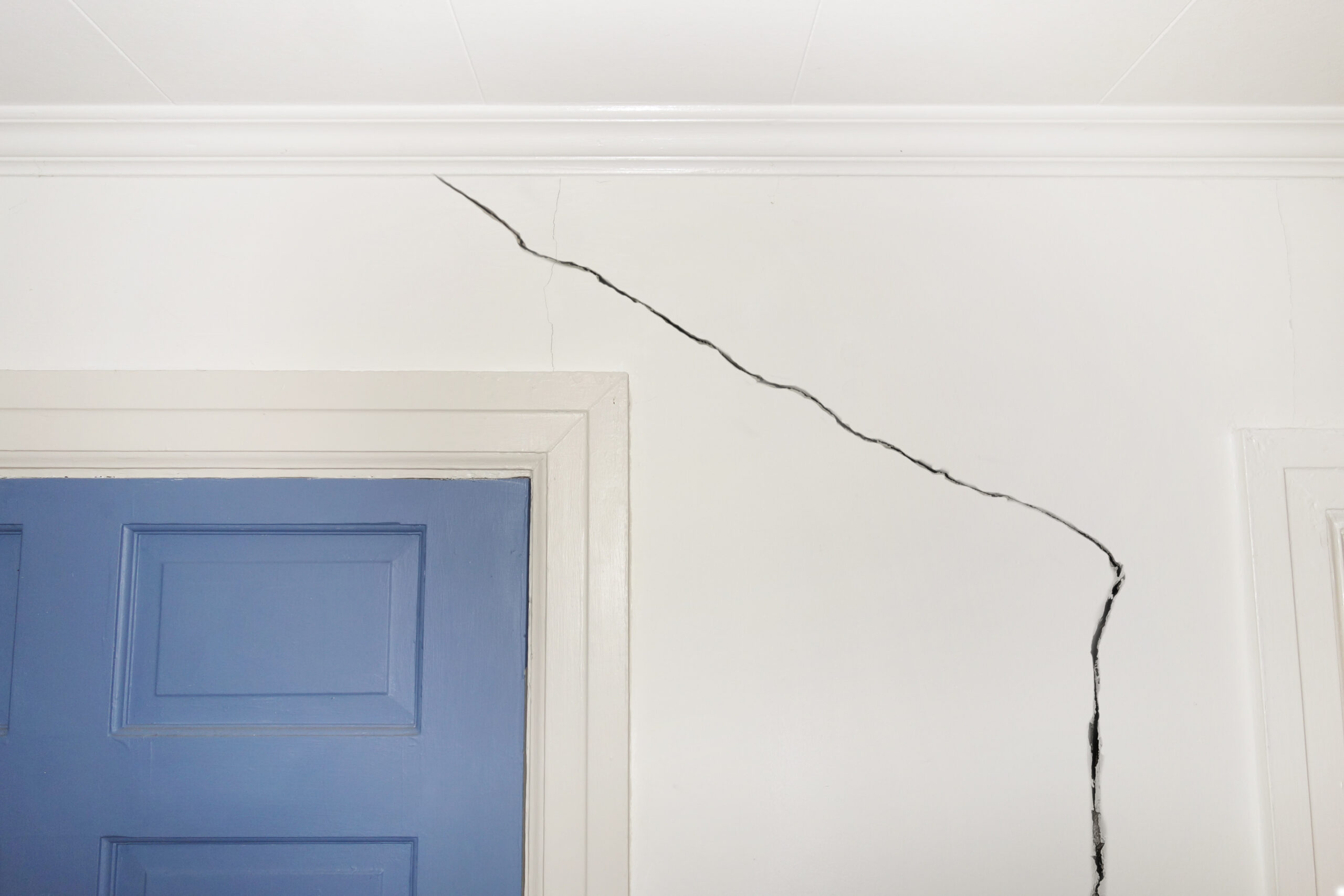
Cracks in Drywall
Cracks in drywall can develop for several reasons, including normal settling, temperature changes and structural movement. Cracks that extend diagonally from the corners of doors or windows, continue to widen or return after being repaired may be signs that the foundation or framing has shifted.
A professional evaluation can help determine whether the crack is cosmetic or related to a larger structural issue.
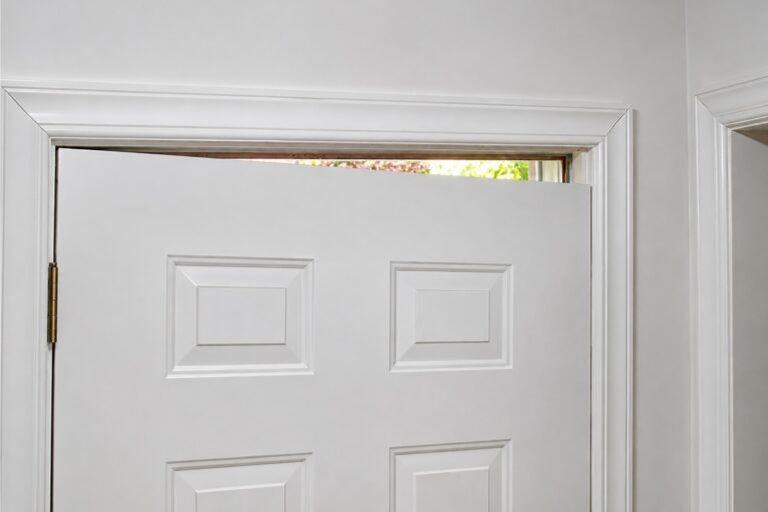
Misaligned Doors and Windows
Doors and windows may begin to stick, drag or no longer close properly when their openings become misaligned. You may also notice gaps around the frames or doors that swing open or closed on their own.
Humidity and normal material movement can sometimes cause these problems. However, several misaligned doors or windows, especially when accompanied by wall cracks, moulding separation or uneven floors, may indicate movement in the foundation or framing.
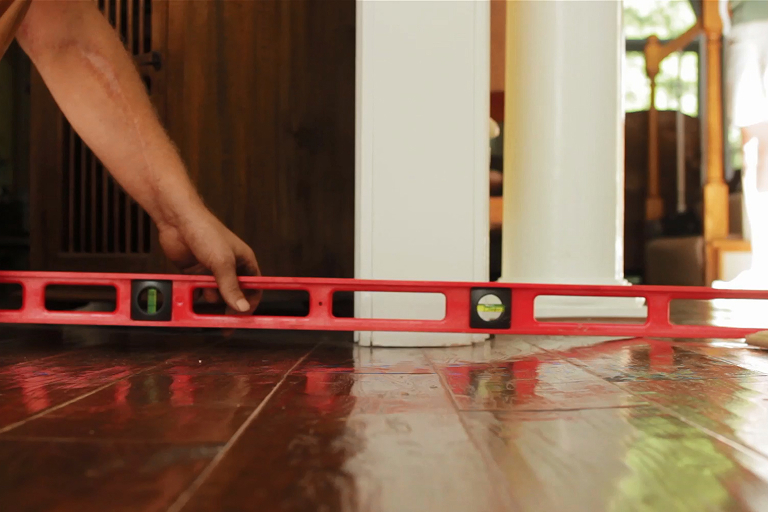
Sloping and Uneven Floors
Floors that slope, sag, feel soft or appear uneven may be caused by foundation settlement, damaged floor supports, moisture or other structural conditions. You may notice furniture leaning, gaps beneath interior walls or a noticeable change in elevation from one area of the room to another.
The location and pattern of the unevenness are important. Moran Construction can evaluate the floor system and help identify the source of the problem.
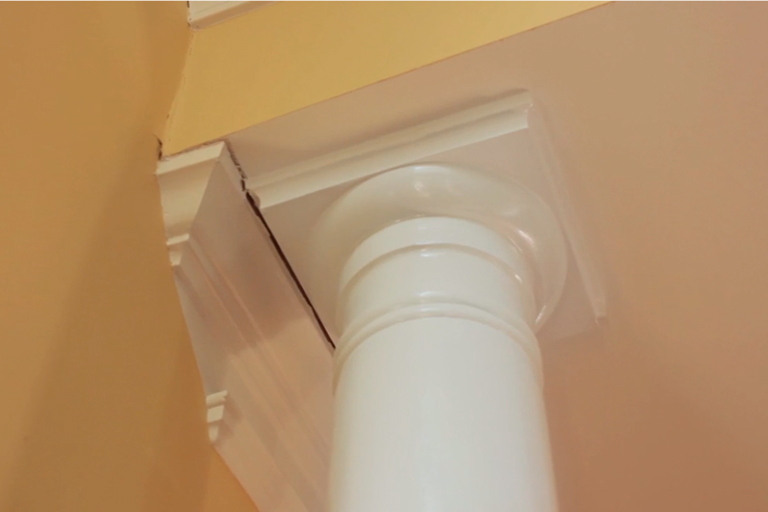
Moulding Separation
Gaps between walls, ceilings, baseboards, crown moulding or door trim can develop when parts of the structure move differently. You may notice moulding pulling away from the wall, gaps opening at ceiling lines or trim separating around doors and windows.
Small gaps may be cosmetic. Separation that is new, widening or appearing in several areas may be a sign of foundation or framing movement.
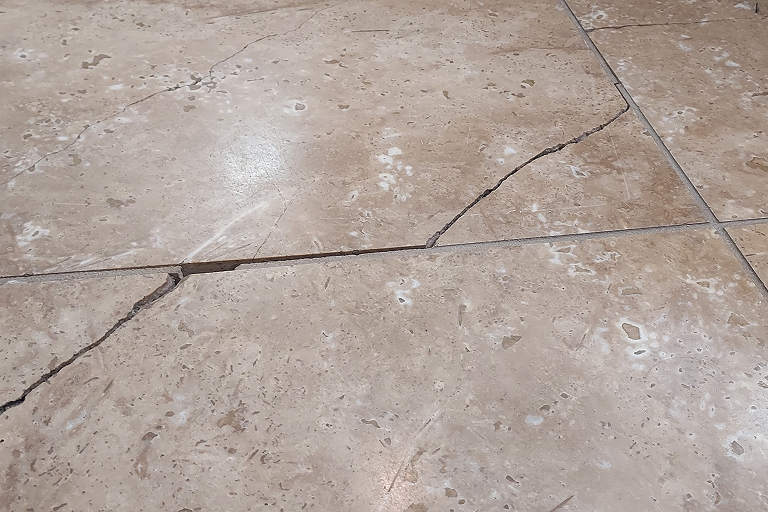
Cracks in Tile or Concrete Floors
Cracks in tile or concrete floors may result from shrinkage, installation problems, slab movement or changes in the soil beneath the home. A single narrow crack is not always evidence of foundation damage.
Cracks that are widening, uneven from one side to the other, recurring after repair or accompanied by sloping floors and wall cracks should be professionally evaluated.
Exterior Signs
Exterior Warning Signs
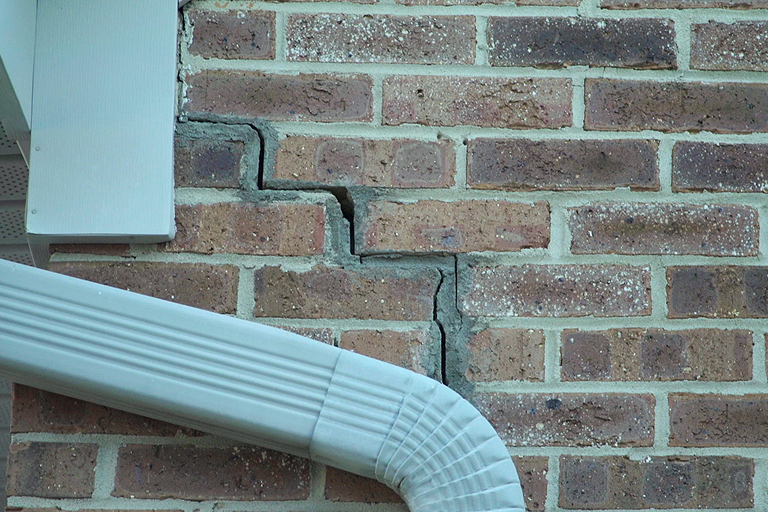
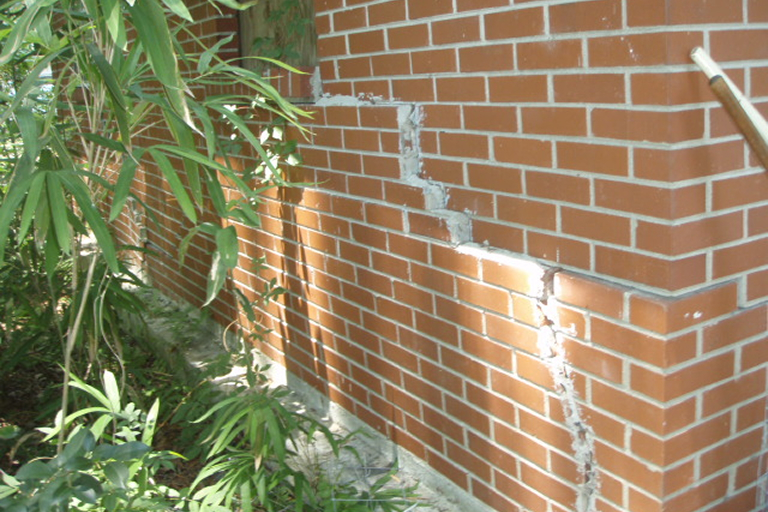
Stair-Step Cracks in Brick or Block
Stair-step cracks follow the mortar joints between bricks or concrete blocks. They are one of the more recognizable signs associated with movement in the foundation or the supporting soil beneath the structure.
The concern is greater when the cracks are widening, recurring after repair or accompanied by doors, windows, floors or exterior walls that have shifted.
Inspected promptly
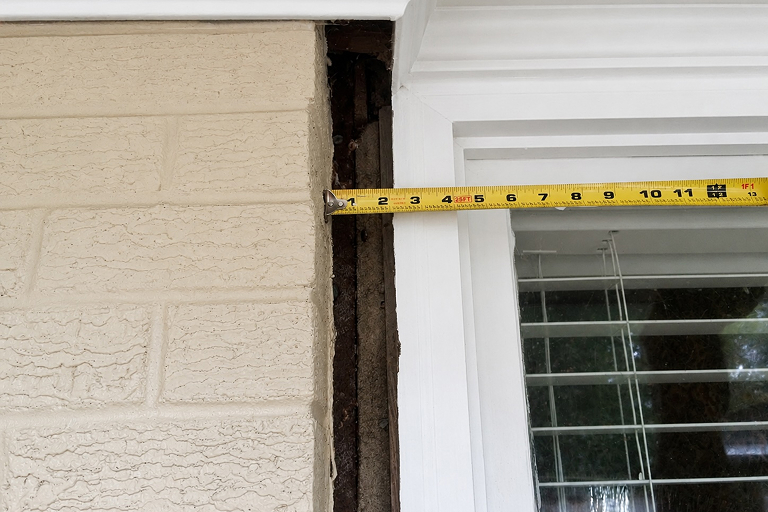
Gaps Around Windows
Gaps that develop around window frames may be a sign that the surrounding wall or foundation has shifted. You may notice separation between the window trim and the wall, cracks near the corners of the window or a window that no longer sits square within the opening.
Not every gap indicates foundation damage. However, gaps that are widening, recurring or appearing along with sticking windows, wall cracks or uneven floors should be professionally evaluated. Moran Construction can inspect the area and help determine whether the problem is related to foundation movement, framing or another structural condition.
Serious warning sign
Bulging or Bowing Walls
Exterior walls that appear bowed, bulged, rotated or out of vertical alignment may indicate movement in the foundation, wall system or supporting structure. You may also notice cracking, separation around windows or doors, or gaps where the wall meets another part of the home.
These conditions can worsen if the underlying cause continues and should be professionally evaluated.
Evaluated right away
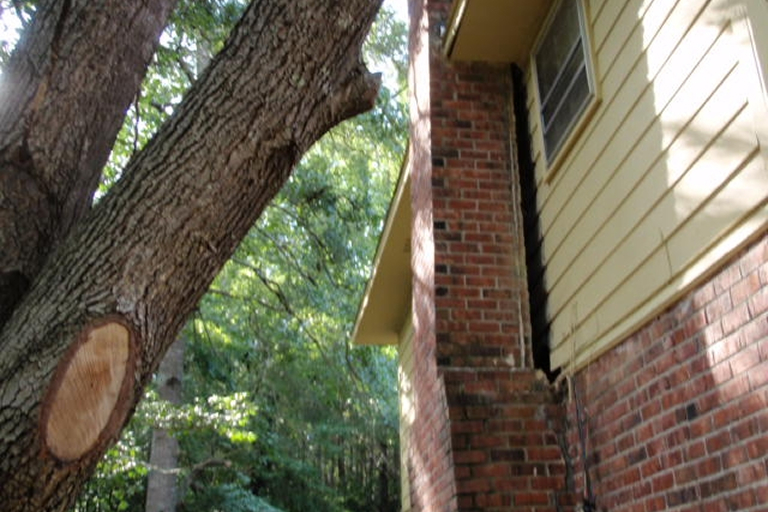
Chimney Leaning or Pulling Away
A chimney that is leaning or separating from the home may be moving differently from the main structure. You may notice a growing gap between the chimney and the siding, roofline or exterior wall. Cracks may also develop in the chimney or surrounding masonry.
Because chimneys are heavy and are often supported by a separate footing, visible movement should be evaluated promptly.
Fire safety risk
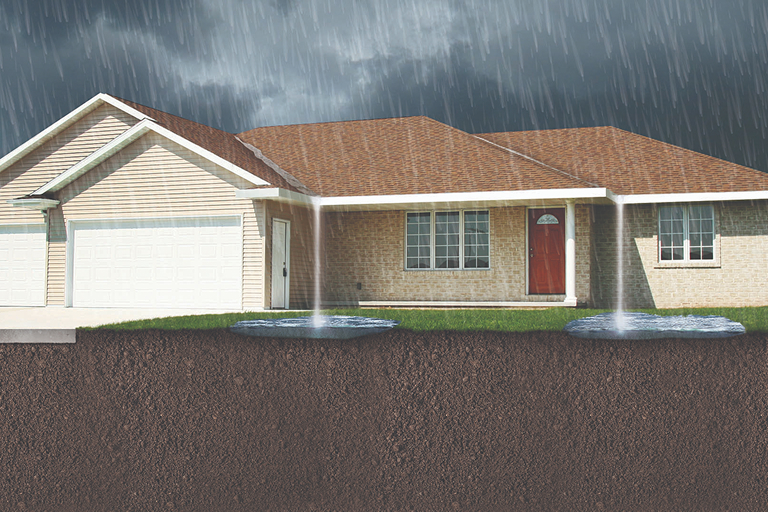
Poor Drainage Around the Foundation
Water that collects near the foundation can increase moisture in the surrounding soil and contribute to basement leakage, crawl space moisture and soil movement. Common warning signs include standing water, overflowing gutters, short downspouts and ground that slopes toward the home.
Poor drainage does not automatically mean the foundation has been damaged. However, controlling water around the structure may be an important part of protecting the foundation and preventing additional moisture problems.
Moisture Signs
Basement and Crawl Space Warning Signs
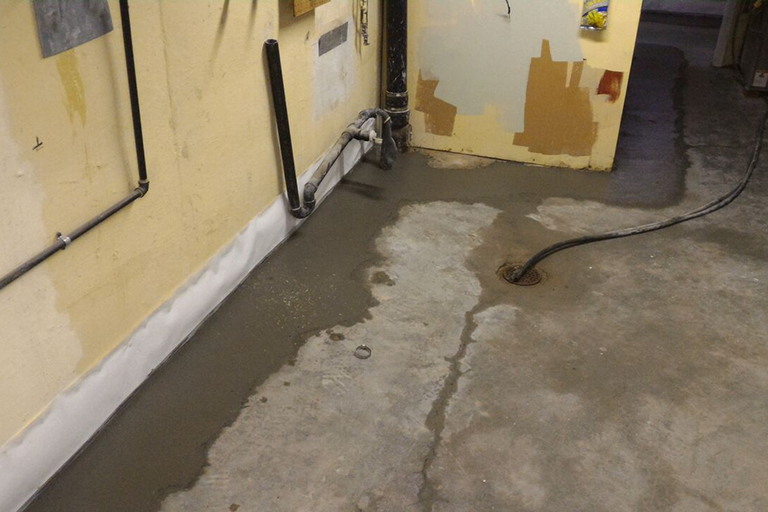
Water in the Basement
Water in a basement may enter through wall cracks, floor joints, porous masonry, drainage problems, plumbing leaks or pressure from saturated soil. Warning signs may include damp areas, puddles, staining, peeling finishes or recurring water after heavy rain.
The location and timing of the moisture can help identify its source. The cause should be evaluated before a waterproofing or repair solution is recommended.
Crawl Space Moisture
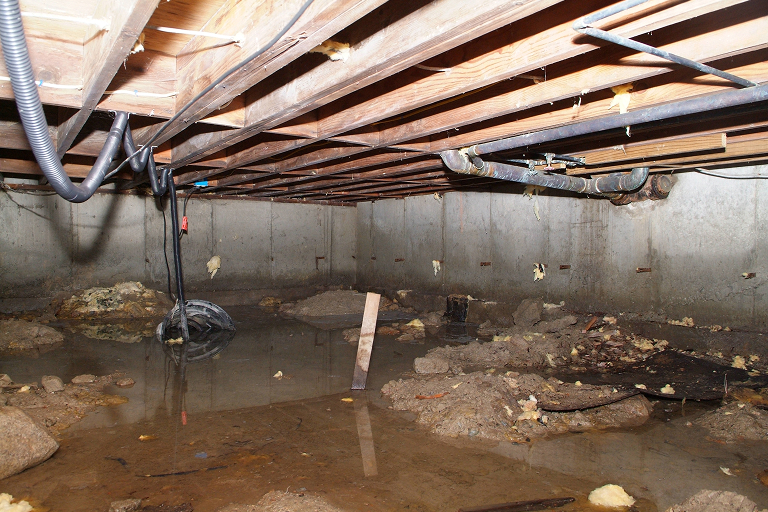
Crawl space moisture may appear as standing water, damp soil, condensation, wet insulation or moisture on wood framing. Water may enter through foundation walls, exposed soil, plumbing leaks or poor drainage around the home.
Persistent moisture can contribute to wood deterioration and damage to structural components. Moran Construction can evaluate the crawl space and identify the conditions that need to be addressed.
Bowing or Cracked Basement Walls
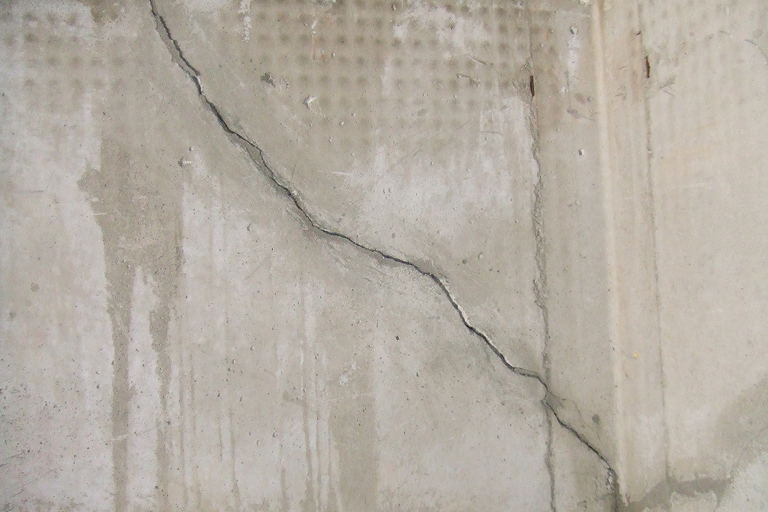
Cracks in basement walls can develop for several reasons, but horizontal cracks, long diagonal cracks or walls that appear to bow inward may indicate pressure from the surrounding soil or movement within the foundation.
These conditions should not be ignored, especially when cracks are widening, recurring or accompanied by water intrusion. Moran Construction can evaluate the wall and determine whether structural repair, stabilization, waterproofing or another solution should be considered.
Next Steps
What Should You Do If You Notice These Signs?
These warning signs do not automatically mean your home has serious foundation damage. However, symptoms that are new, widening, recurring or appearing in several areas should not be dismissed.
An on-site evaluation can help determine whether the condition appears cosmetic, moisture-related or associated with structural movement. Moran Construction will inspect the accessible areas of the property, document the visible conditions and explain what we find.
When foundation stabilization is appropriate, Moran Construction can recommend and install a Ram Jack foundation repair system based on the specific needs of the structure.




Construction Experience Beyond the Foundation
Moran Construction is more than a foundation repair installer. Since 1977, the company has provided remodeling, restoration and structural construction services throughout the region. That broader construction experience helps our team consider how foundation movement, water intrusion, framing and other parts of a structure may be connected.
When foundation stabilization is needed, Moran Construction is an Authorized Ram Jack Installer with access to proven foundation repair systems, 100% American-made steel and a life-of-the-structure warranty.
Schedule Your Free On-Site Evaluation
Call 740-444-4773 today to schedule your free on-site evaluation. We serve homeowners and businesses throughout West Virginia, southeastern Ohio, and eastern Kentucky.